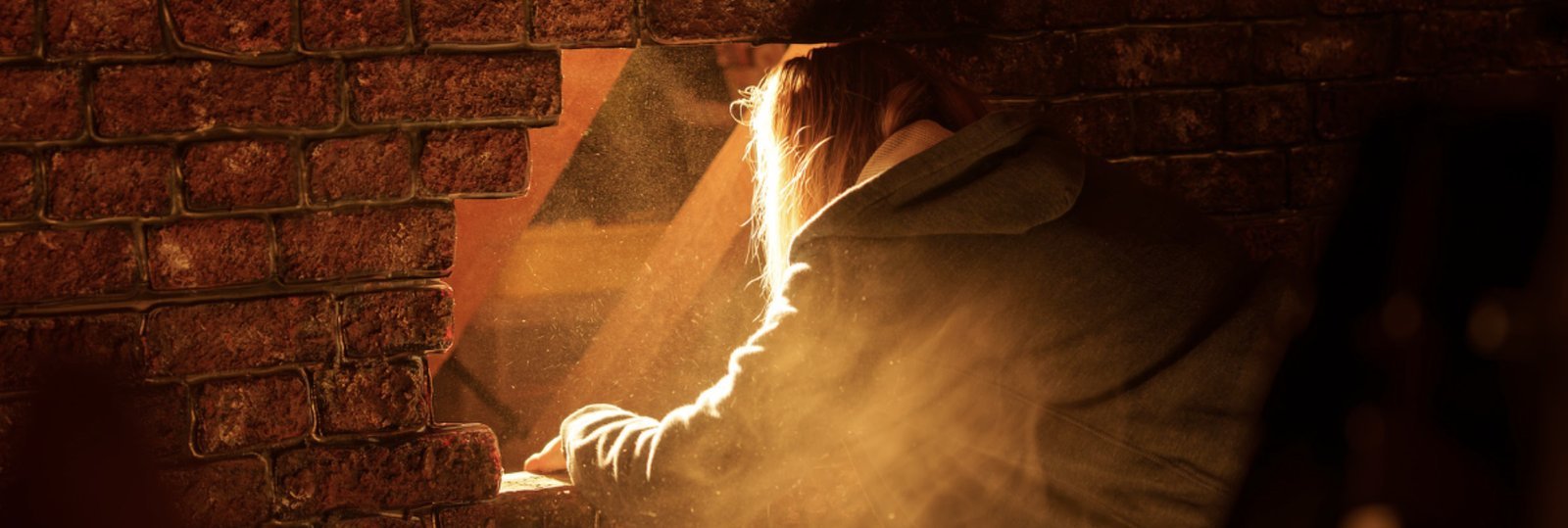
Luxury does not shout. It holds a room by lowering its voice. That single instinct — the confidence to withhold — is the reason video production for luxury brands operates by a different set of rules to almost everything else in the moving-image business. A luxury film is not a longer advert or a glossier one. It is a piece of cinema that happens to carry a name, and it lives or dies on details most viewers never consciously notice.
When a house has spent a century earning the right to be desired, a film cannot afford to feel manufactured. The audience for these brands is fluent in taste. They read a frame the way a sommelier reads a glass — instantly, and without forgiveness. Get the light wrong, cut a beat too early, let a texture look synthetic, and the illusion of permanence collapses. What follows is a filmmaker’s view of what actually separates prestige work from ordinary content.
Restraint Is the Craft
The hardest discipline in luxury filmmaking is knowing what to leave out. Most commercial briefs are anxious to explain — features, benefits, reasons to believe, stacked one on top of another until the film has no room to breathe. Luxury inverts that logic. The confident brand shows one perfect gesture and trusts the viewer to lean in.
That trust has to be earned in the edit and protected in the shoot. It means resisting the extra shot, the reassuring voiceover, the on-screen text that spells out what the image already said. A film for a heritage house is often defined by its silences: the held frame, the unhurried dissolve, the sound of a clasp closing that arrives a half-second later than you expect. Restraint is not the absence of ideas. It is the most expensive idea in the room, because it demands the courage to do less on a budget that could afford to do more.
Light, Texture and the Tyranny of Materials
Luxury lives in materials — brushed steel, aged leather, polished walnut, silk that has to fall a particular way. Photographing them convincingly is a technical problem that rewards obsession. Reflective surfaces punish sloppy lighting. A watch dial can throw a hard highlight that reads as cheap; the same dial, lit with patience and the right diffusion, reads as jewellery. This is why prestige shoots move slowly and light every surface as if it were a face.
The camera package matters, but the eye matters more. Directors who come from cinema treat product as character — giving an object motivation, a moment, a piece of blocking — rather than laying it on a turntable. That instinct is what turns a catalogue shot into a scene. It is also why the discipline overlaps so closely with the wider craft of branded content: both are trying to make an audience feel something before they are asked to want something.
Story Over Specification
Mass-market advertising sells the product. Luxury sells the world the product belongs to — the atelier, the coastline, the dinner that runs late, the life the viewer is invited to imagine as their own. The object is often the last thing on screen, and sometimes barely there at all. What the film really trades in is desire, memory and belonging, which is why narrative instinct beats specification every time.
This is emotional work, and it cannot be reverse-engineered from a media plan. The best luxury films begin with a feeling and a place, then find the smallest possible story that can carry them. A single character, a single evening, a single unspoken decision. Told well, ninety seconds can hold the entire proposition of a brand without a word of copy.
Why Cinema Credentials Matter
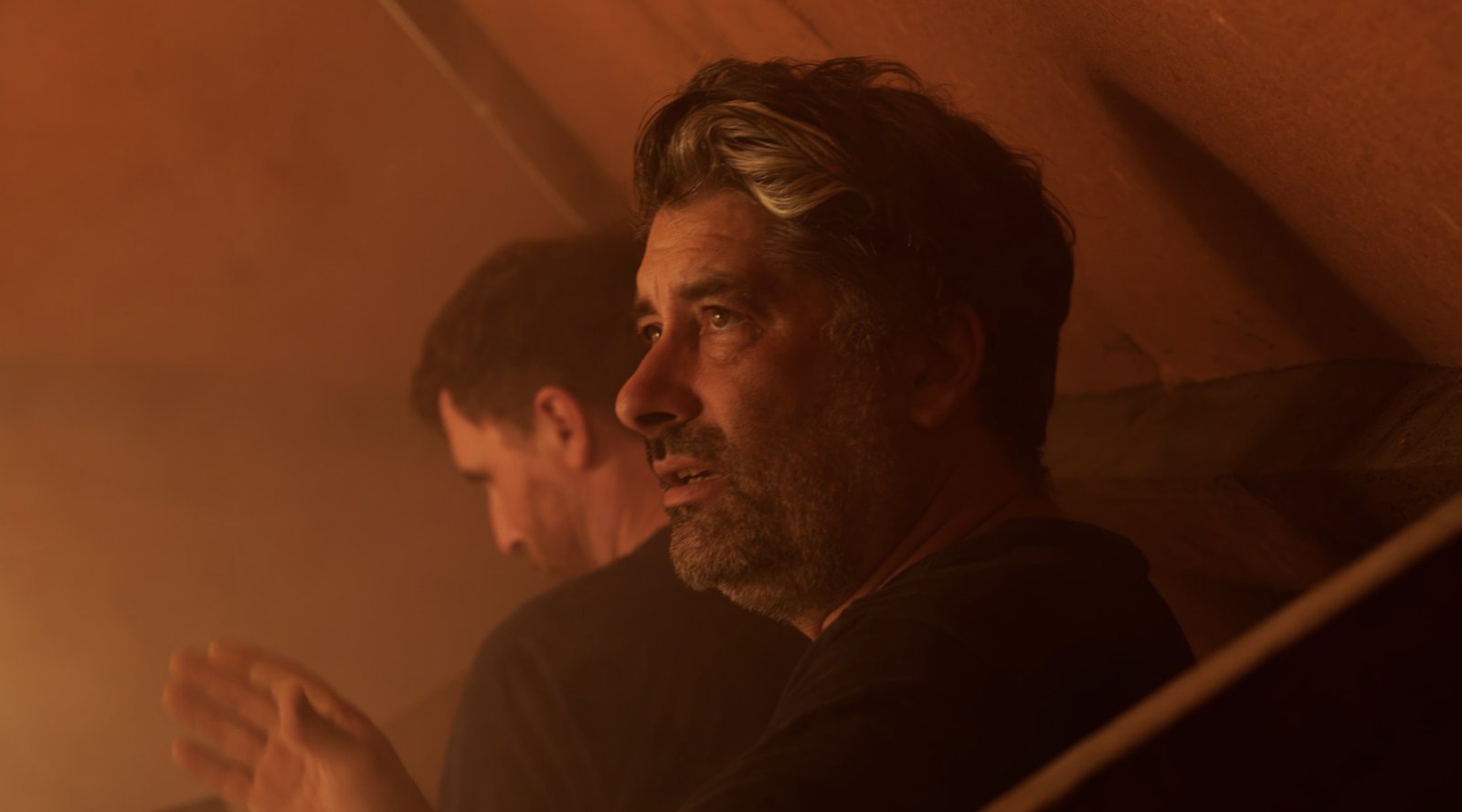
There is a reason luxury houses gravitate toward filmmakers with genuine cinematic pedigree rather than volume content studios. The work sits closer to feature film than to the content treadmill, and it needs people who have earned their eye on real productions. At Beast, founders Lawrence Jacomelli and Victoria Taylor have built the London company around exactly that filmmaker-led sensibility — a Cannes Lions-recognised craft applied across commercials and brand films, with work for the likes of Apple, British Airways and IKEA. That heritage is not decoration. It is the difference between a team that can execute a mood board and a team that can direct a moment.
Cinema training shows up in the parts of the process that clients rarely see: casting a hand as carefully as a face, sourcing a location for its light rather than its logistics, spending an afternoon on a single dolly move because the move is the shot. Luxury brands feel the results even when they can’t name the cause.
The Standard Is Invisible
The paradox of great luxury filmmaking is that it hides its own effort. The viewer should never sense the crane, the colour grade, the fourteen takes. They should simply believe the world is real and want to live inside it a little longer. Every technical decision serves that illusion of effortlessness — which is, of course, the most engineered thing of all.
That is what makes video production for luxury brands genuinely different. It is not a category of budget or a style of grade. It is a way of working defined by patience, taste and the discipline to leave the audience wanting. Done properly, the film does not feel like marketing at all. It feels like something the brand simply is.