Film vs Video Production: What’s the Real Difference?
Ask ten people in the industry to define the line between film and video production and you will get ten answers, most of them defensive. The terms are used interchangeably in briefs, on rate cards and across production directories, and for good reason: on paper, both involve cameras, crews and a final cut. Yet anyone who has stood on a set at four in the morning, watching a director wait for the light to fall a certain way, knows the distinction is real. It is a difference of intention long before it is a difference of equipment.
Two words, two mindsets
Video production, in its most honest sense, is a discipline of capture. The goal is to record something clearly, efficiently and to brief — a conference keynote, a product explainer, a talking-head interview. The measure of success is fidelity: did we get it, is it clean, does it communicate. There is craft in this, and no small amount of skill. But the frame is largely a window. It shows you what happened.
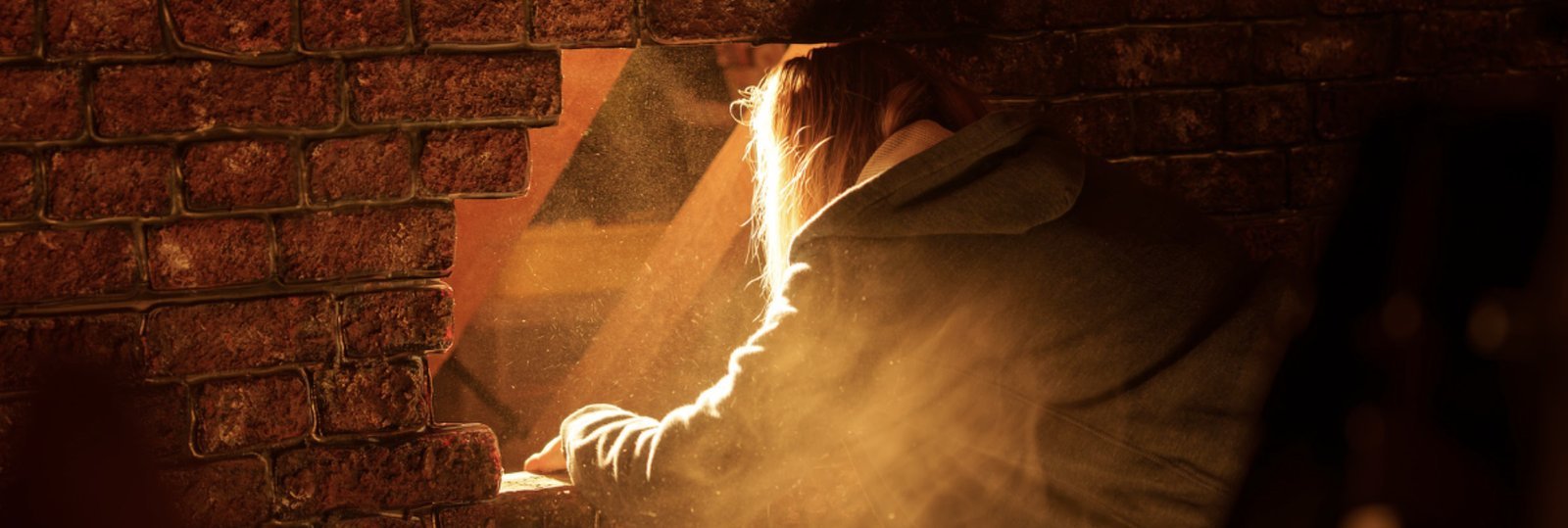
Film production begins from the opposite premise. The frame is not a window but a decision. Every element inside it — the lens, the blocking, the grade, the silence before a line lands — is chosen to make an audience feel something they did not walk in feeling. Film is authored. It carries a point of view. When people talk about the difference between film and video production, this is the fault line they are circling: one records reality, the other constructs it.
Where the craft actually diverges
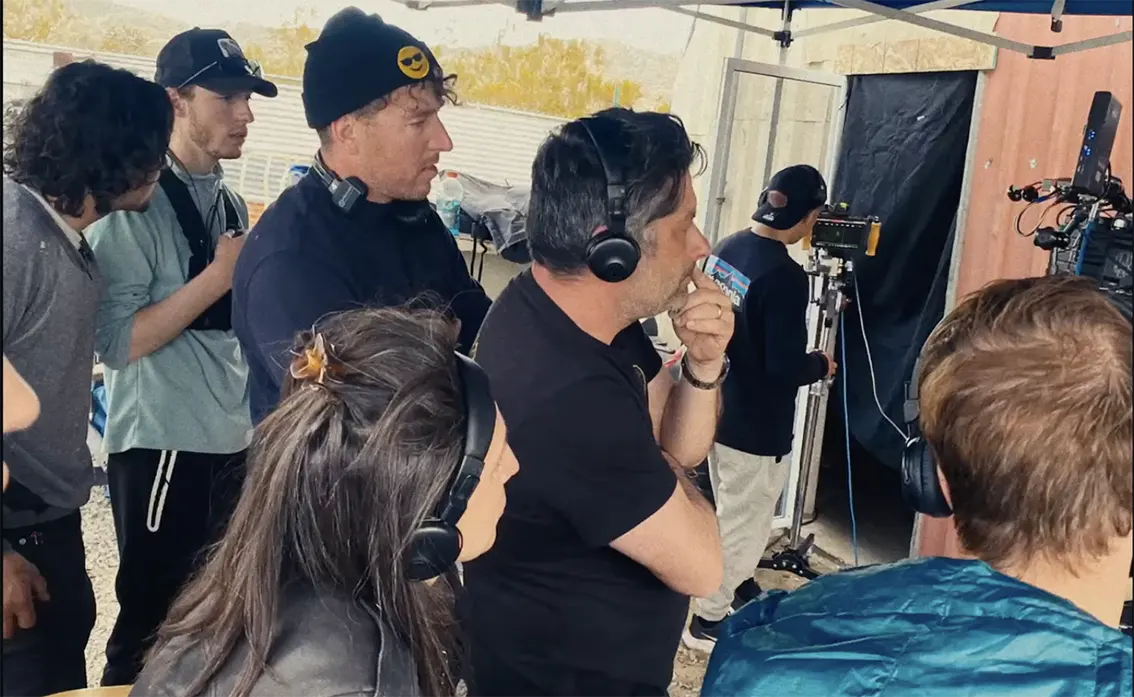
The divergence shows up first in preparation. A video shoot can often be planned in a call sheet and a shot list. A film — even a thirty-second commercial made to cinematic standards — demands a treatment, a director’s vision, a lighting plan built around emotion rather than exposure. Storyboards stop being logistics and become a rehearsal of feeling.
It shows up in the tools, though not in the way most assume. Cinema-grade cameras and prime lenses matter less for their resolution than for the fall-off, the shallow focus, the way they render skin and shadow. A film crew will spend an hour shaping a single source of light that a video crew, working to a different remit, would never budget for. Neither is wrong. They are answering different questions.
And it shows up, decisively, in post-production. Video is edited to convey. Film is edited to move — pace, score, colour and sound design working together so the finished piece behaves less like a document and more like an experience. This is the stage where a competent recording becomes something with a pulse, and it is the stage most often underestimated by those who see the two disciplines as one.
Why brands increasingly want the film approach
For years, the safe corporate instinct was to commission video: functional, on-message, inexpensive. That instinct is shifting. Audiences are fluent in visual language now, and they can feel the difference between content that was captured and content that was made. A cinematic brand film earns attention that a straightforward video rarely does, because it treats the viewer as someone worth moving rather than merely informing.
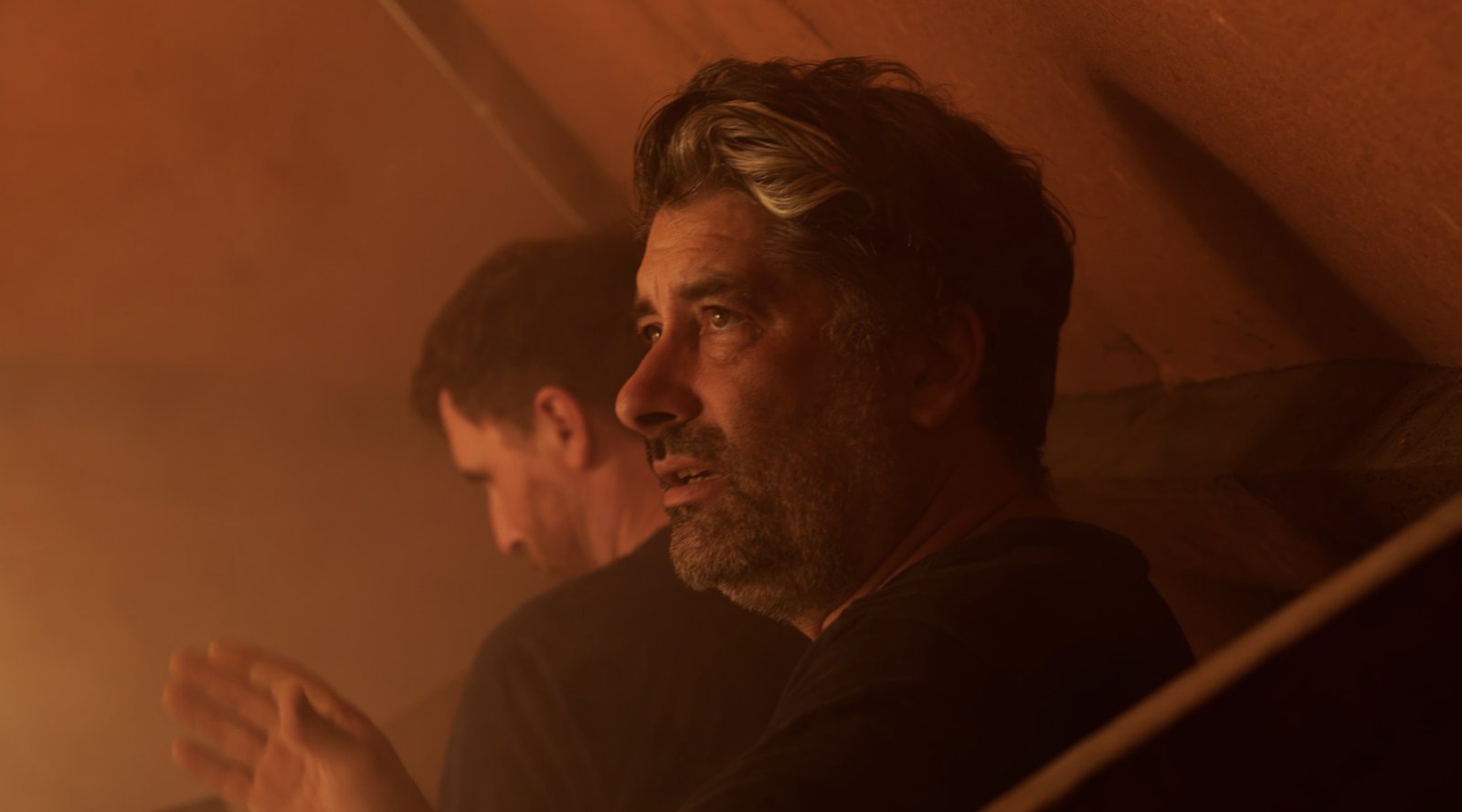
This is the territory where a filmmaker-led company works. At Beast Films, the starting question is never “how do we record this” but “what should the audience walk away feeling” — the same question that governs a feature. Founded in London by Lawrence Jacomelli and Victoria Taylor, the company has carried that cinematic discipline into commercials, branded content and corporate work for brands who understand that a film changes how they are perceived in a way a video cannot. That approach is what earned recognition at Cannes Lions, and it is the through-line whether the project is a thirty-second spot or an independent feature.
Choosing the right one for your project
None of this makes video production lesser. If you need to document a training session, capture a live event or produce a straightforward explainer, film-grade treatment would be over-engineering — and a good production partner will tell you so. The discipline is knowing which the brief actually calls for.
The honest test is intent. If the objective is to inform, to record, to have a clear asset on file, you are describing video. If the objective is to shift perception, to build a brand’s emotional weight, to make people remember — you are describing film, and it should be produced by people who think like filmmakers rather than technicians. The crews, the timelines and the budgets follow from that first decision, not the other way around.
That is the real difference behind the phrase. Film versus video production is not a question of hardware or gloss of one over the other; it is a question of whether the camera is being used to capture a moment or to author one. For work where the ambition is narrative and cinematic, that authorship is everything — and it is the foundation of Beast’s film and TV production across the UK.