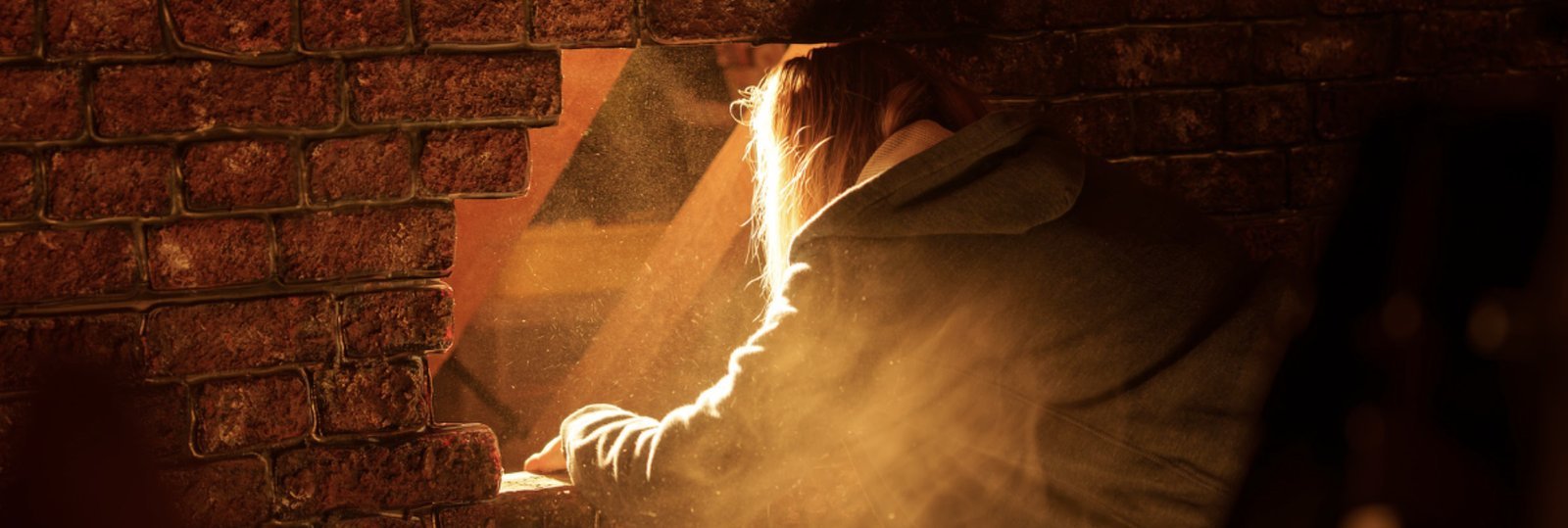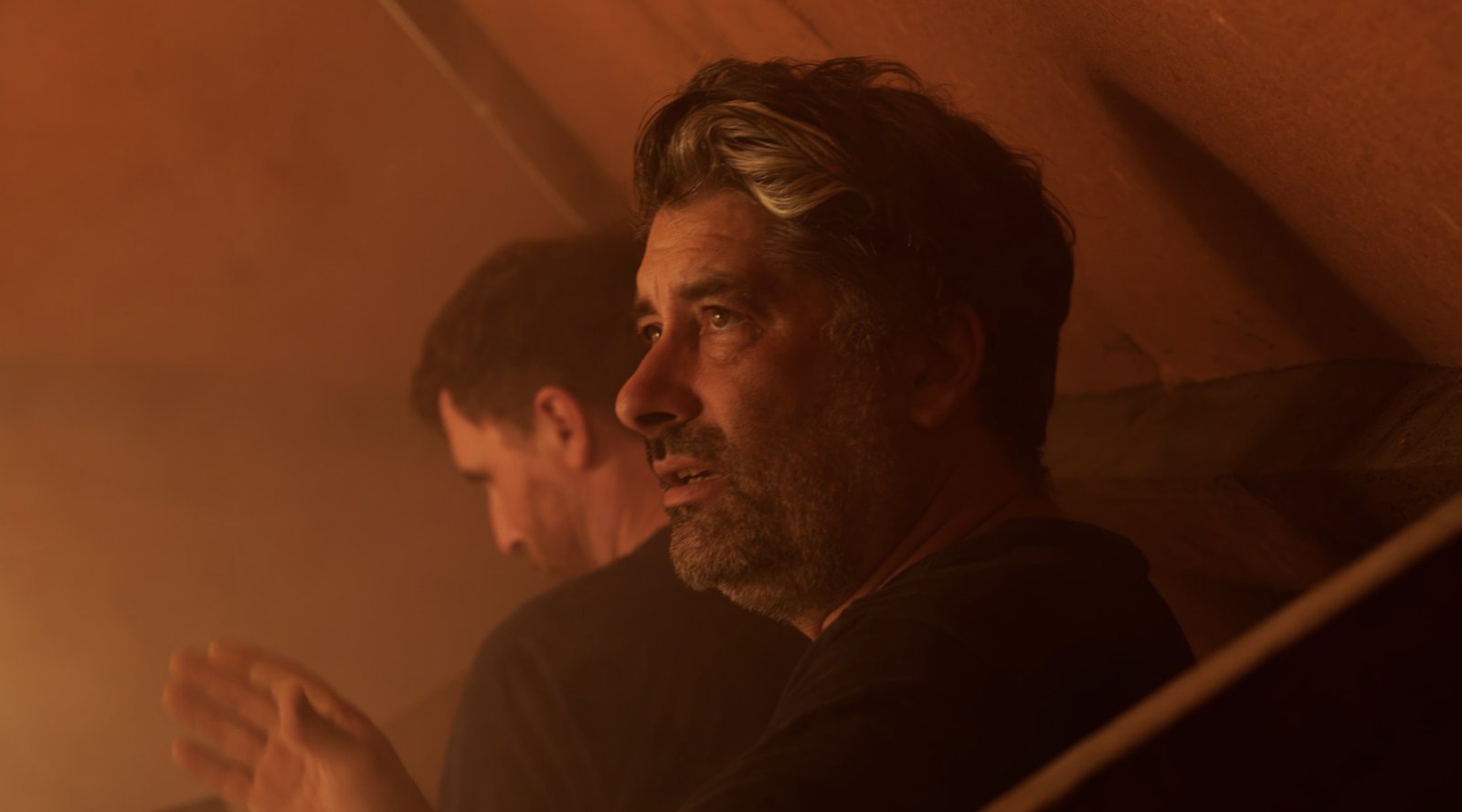

A great television commercial rarely looks like work. It looks like a single, effortless moment — a held breath, a glance, a colour you can almost taste. What sits beneath that thirty seconds is months of disciplined craft, a room full of specialists, and a city that has quietly become one of the most capable production centres in the world. This is how premium TV commercial production in London actually happens, told from the inside of the company that makes it.
It Begins With an Idea, Not a Camera
Every commercial starts as a question rather than a shot list. What is the brand really trying to say, and what will an audience feel in the seconds they choose not to skip? At this stage a production company works alongside the agency and the brand to interrogate the script, the strategy and the intended emotion. The best concepts are deceptively simple — a clear idea that can survive translation from page to screen without losing its nerve.
This is where a filmmaker-led approach separates itself from a purely commercial one. We are not decorating a marketing message; we are looking for the cinematic spine of it. A director responds to the brief with a treatment — a document that sets out tone, references, visual language, casting instinct and pacing. It is the first time everyone can see the same film in their heads. Much of what we bring to brand campaigns lives in our commercial production work, where the creative idea is treated with the same seriousness as a feature.
Pre-Production: Where the Film Is Really Made
Ask any experienced producer and they will tell you the same thing — a commercial is won or lost in pre-production. By the time the camera turns over, the difficult thinking should already be done. This phase is intense, methodical and unglamorous, and it is the foundation of everything premium about the final result.
A typical pre-production schedule for a London TV commercial moves through several parallel workstreams:
- Casting — finding faces and performances that carry the idea, whether that is a lead with real presence or background artists who make a world feel lived-in.
- Location scouting — London offers extraordinary range, from Georgian interiors and brutalist concrete to studio stages at Pinewood and the surrounding counties, often within an hour of the city.
- Production design — building, dressing and shaping the spaces on camera so every frame supports the story.
- Department heads — the director of photography, gaffer, costume designer and stylist translating the treatment into something buildable.
- Scheduling and budgeting — protecting the creative ambition against the realities of time, weather, permits and crew availability.
The pre-production meeting, or PPM, is the moment all of this is signed off with the client. Every frame is storyboarded, every wardrobe choice approved, every location locked. When the process is run properly, the shoot day holds no surprises — only the ones the director wants.
The Shoot: Controlled Intensity
A commercial shoot is a strange machine. Forty or fifty people, often more, assemble before sunrise to capture material that may amount to seconds of finished film. The atmosphere on a premium set is calm rather than chaotic, because the chaos has already been solved on paper. Time is the most expensive resource on the day, and a well-run production protects it ruthlessly.
The director of photography lights and frames each setup while the director shapes performance and rhythm. The first assistant director keeps the day moving, the script supervisor guards continuity, and a dozen departments operate in quiet concert. High-end commercials in London routinely shoot on the same cameras, lenses and lighting packages used for feature films and cinema advertising — because the expectation is a cinematic image, not a corporate one. A single day can range from an intimate two-hander to a logistically heavy build with stunts, vehicles, special effects and a crowd. The craft is making all of it look inevitable.
Direction Is the Difference
The director is the single thread that runs through concept, shoot and edit. Their job is to hold the original idea in mind under pressure and protect the emotion of it when a hundred practical decisions threaten to dilute it. A strong commercial director knows when to chase another take and when the truthful moment has already happened. That judgement — built over years and many sets — is what clients are really paying for, and it is visible in the finished frame whether or not anyone can name why. You can see that sensibility across our recent work.
Post-Production: Finding the Film in the Footage
The edit is where a commercial becomes itself. An editor assembles the strongest performances, finds the rhythm of cuts, and shapes pacing until the piece breathes. For premium television and cinema advertising, picture lock is only the beginning. Colour grading establishes mood and consistency, giving the spot its signature look. Sound design and the mix build a world the audience feels rather than notices. Visual effects, motion graphics and titling refine the final image, and the music — whether scored, licensed or sound-designed from scratch — does an enormous amount of the emotional work.
Premium post also means delivery discipline: a TV commercial must conform to broadcast specifications and clearance standards, and is mastered into multiple versions for television, cinema, online and social cut-downs from a single shoot. Getting this right protects the campaign across every screen it will eventually appear on. Our approach to TV commercial production treats post as a creative phase in its own right, not a technical afterthought.
Why London
London concentrates an unusual density of talent — directors, cinematographers, production designers and post houses with international credits — alongside world-class studios, a deep pool of crew, and locations that double for almost anywhere on earth. That depth is why so many global brands choose to make their commercials here, and why the commercial production process in this city can move from idea to broadcast-ready film with a level of craft that holds up on the biggest screens.
How commercials are made will keep evolving with the tools, but the fundamentals do not change. A clear idea, ruthless preparation, a confident director, and a city built to support ambitious filmmaking. That is what turns thirty seconds into something an audience remembers.
Beast Films is a premium video production company in London, producing cinematic commercials, branded content and film for brands worldwide from its London studio.