
Ask ten people what a video production company does and you will get ten answers, most of them stopping at the obvious part: someone points a camera, someone else presses record. That is the visible half-second of a process that begins weeks earlier and continues long after the crew has struck the set. The camera is the least of it. What a production company actually does is take an idea that exists only as a sentence in a brief and carry it, deliberately and under pressure, all the way to a finished film that moves people.
The work divides into four distinct stages: development, pre-production, the shoot, and post-production. Each one is its own discipline. A serious company treats them as a continuous act of authorship rather than a relay of separate jobs, and that continuity is where the craft lives.
Development: finding the film inside the brief
Everything begins in conversation. A brand arrives with an objective, sometimes a product, occasionally nothing more than a feeling they want an audience to have. Development is the stage where that ambition is interrogated and shaped into a story worth telling. This is thinking work, not shooting work: understanding the audience, the strategic problem, the emotional register the piece has to hit, and then finding the single idea strong enough to hold a film together.
Out of that comes the creative treatment, the document that turns intent into vision. It sets the tone, the visual language, the narrative shape, the reason a viewer should feel anything at all. A director’s point of view is decisive here. The difference between footage and cinema is usually settled long before a lens is chosen, in the quiet decisions made at this stage about what the film is really about.
Pre-production: the stage that decides everything
If development is where the film is imagined, pre-production is where it is engineered. This is the least glamorous and most important part of the entire process, the phase that quietly determines whether a shoot succeeds or unravels. Every variable that can be resolved in advance is resolved now, on paper, where mistakes are cheap.
Scripts are locked and storyboards drawn. Locations are scouted and secured. Casting sessions find the faces the story needs. A director of photography plans the lighting and camera approach shot by shot. Production designers build the world; costume and make-up dress it. Behind all of it runs a producer’s schedule and budget, the logistics of crew, permits, equipment, catering, insurance and contingency, mapped so that when the day arrives, nothing is left to chance. A well-run London video production company earns its reputation in this room, not on set. By the time the crew is called, the film has already been made once, in the plan.
The shoot: controlled intensity
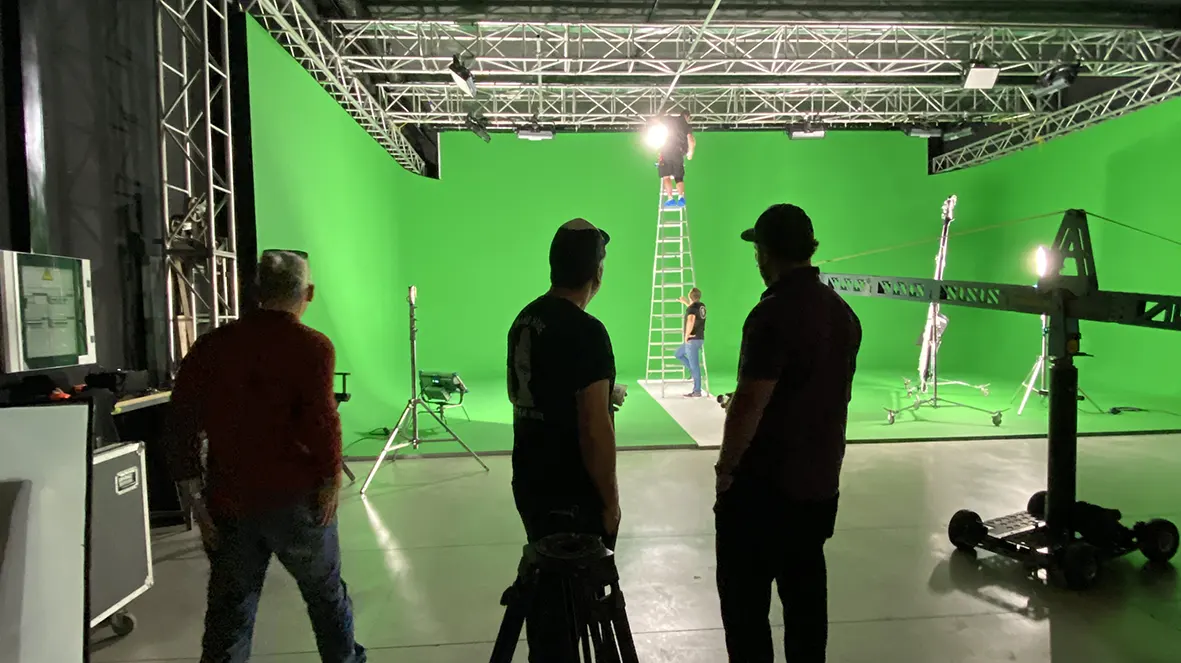
The production day is the part everyone pictures, and it is genuinely thrilling, but its energy is disciplined rather than chaotic. A set is a temporary organism of thirty or a hundred specialists, each doing one thing precisely, all synchronised toward a handful of usable seconds per hour. The director shapes performance and stays faithful to the vision. The DoP and camera team chase the light. Gaffers, grips, sound recordists, art department, hair and make-up, assistant directors keeping time, all of it held together by the producer watching the clock and the cost.
What separates an experienced company here is composure. Weather turns, a location falls through, a performance will not land, and the schedule keeps moving regardless. The ability to solve problems in real time without compromising the frame is the mark of a crew that has done this many times before. Nothing shot in a panic looks good on screen; the calm is part of the craft.
Post-production: where the film is truly written
Filming does not produce a film. It produces raw material. Post-production is where that material becomes something, and it is often where the real authorship happens. The edit finds the rhythm and the story, choosing which moments live and which are cut, building tension and release from the footage. Then come the layers that give a film its finish: colour grading that sets mood and cohesion, sound design and mix that the audience feels more than notices, an original score or licensed music, visual effects, motion graphics, titles.
A single frame can pass through many hands before it is signed off, and a strong post team can lift good footage into something memorable, or rescue a compromised day. This is the stage where the promise made back in development is finally kept, or quietly lost. The best film and TV production teams treat the edit suite with the same rigour they bring to the set.
One continuous act
So, what does a video production company actually do? It carries an idea through four demanding stages and refuses to let it weaken at any of them. It is part creative studio, part logistics operation, part editorial workshop, and the value lies in holding all of that together under one vision.
Beast Films was founded in London by Lawrence Jacomelli and Victoria Taylor on exactly that principle, a filmmaker-led approach that has earned Cannes Lions recognition and treats commercial work with the seriousness of cinema. From the first conversation to the final grade, the point is never simply to shoot a video. It is to make a film that lasts.