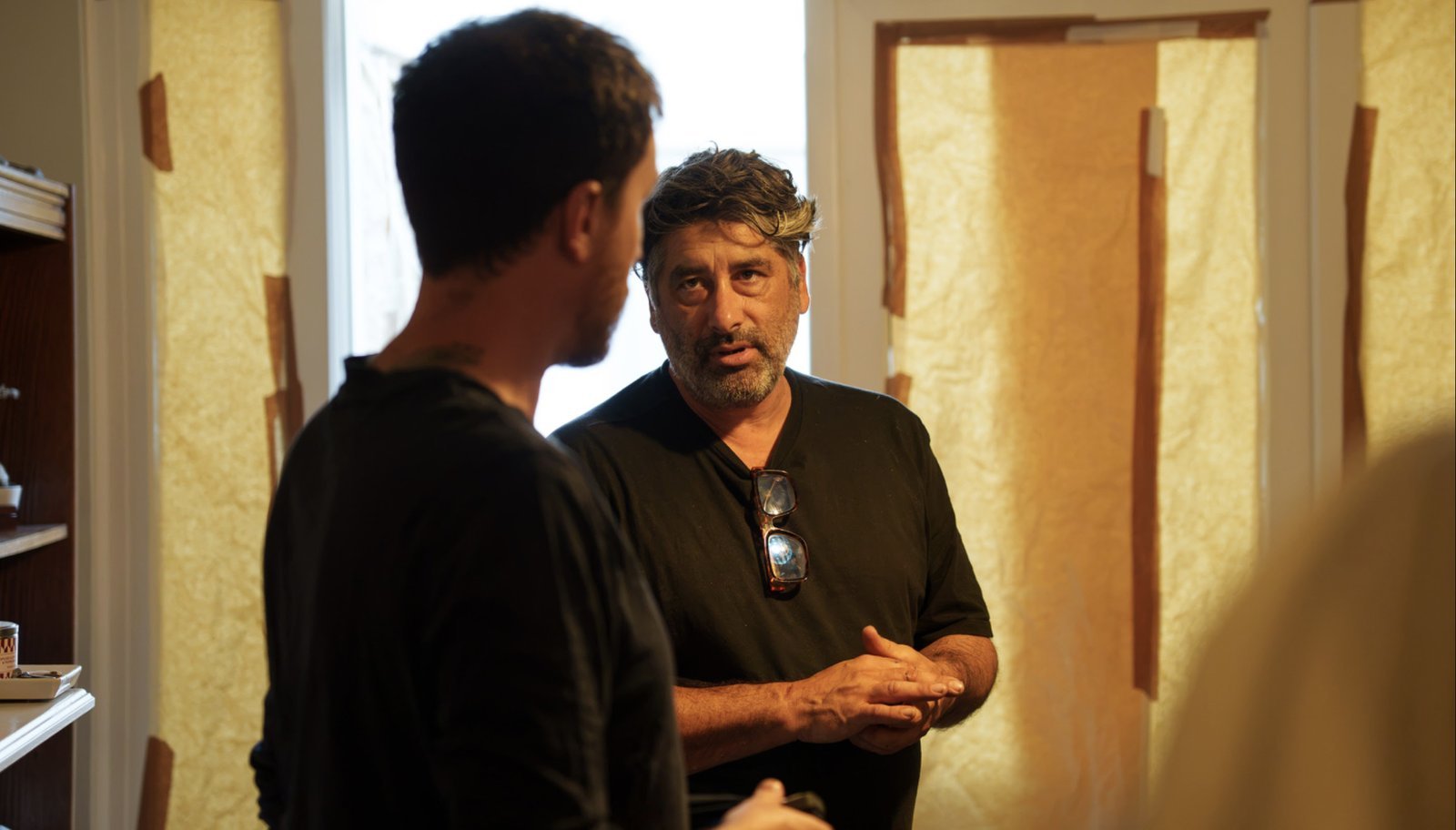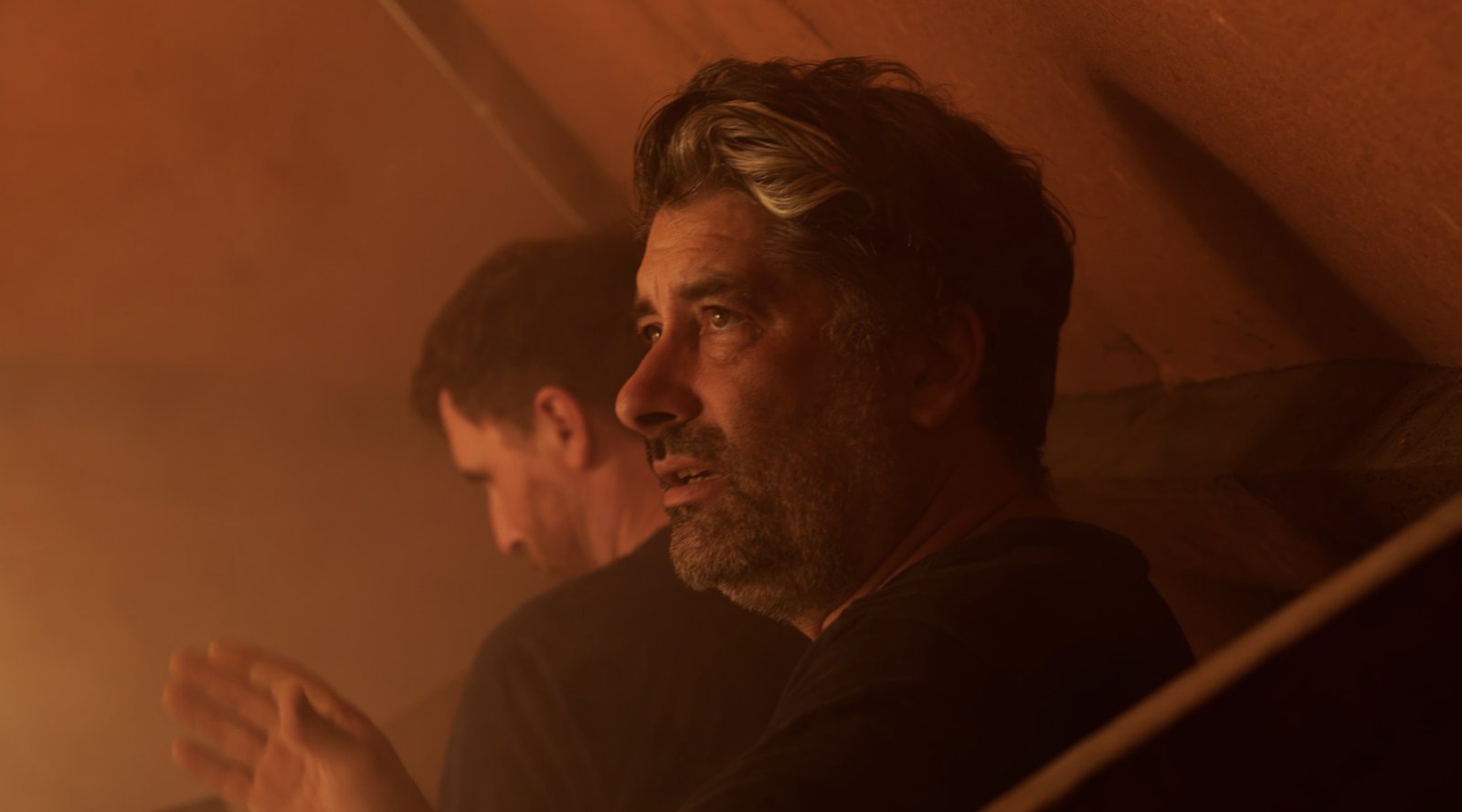
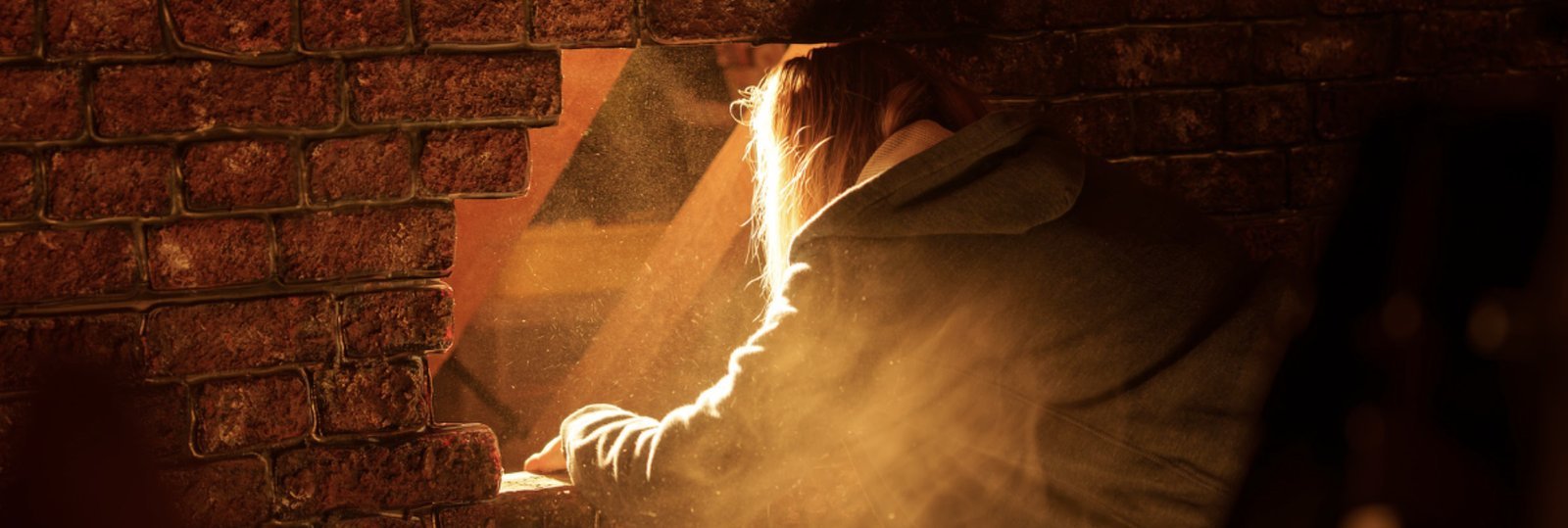
Cinematography. Don’t See Me tells its story through its frame as much as its script. Here’s how director Lawrence Jacomelli and cinematographer Andrew Butler built a visual language around Maddy’s isolation.
A 4:5 Frame That Opens Into 16:9
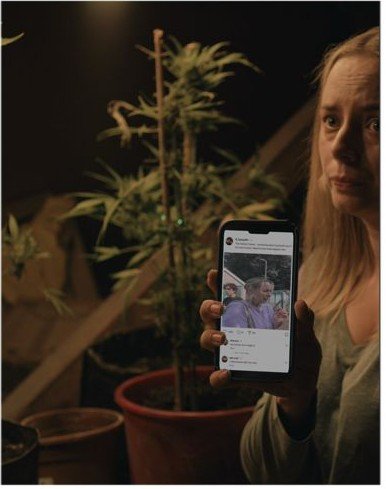
Most of Don’t See Me is composed within a narrow 4:5 frame, compressing Maddy’s world and making the walls around her feel closer. Later, when she watches footage of her own panic attack on her phone, the image on the screen aligns with the frame of the film itself — she is, in effect, living inside the visual language of her own humiliation. When she finally leaves the house, the frame opens into 16:9: not a cure, but a moment where her world becomes physically wider.
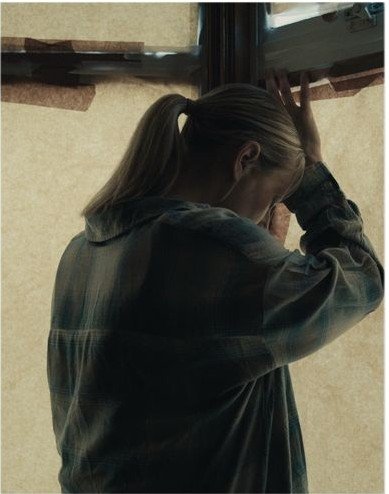
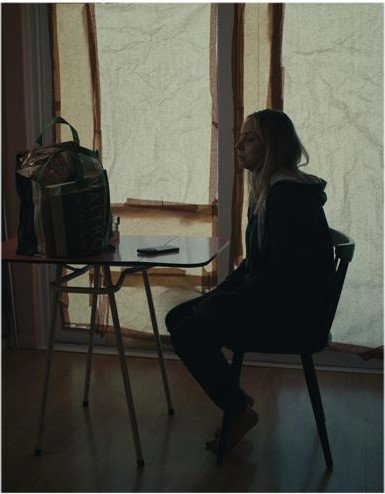
Windows Papered Over
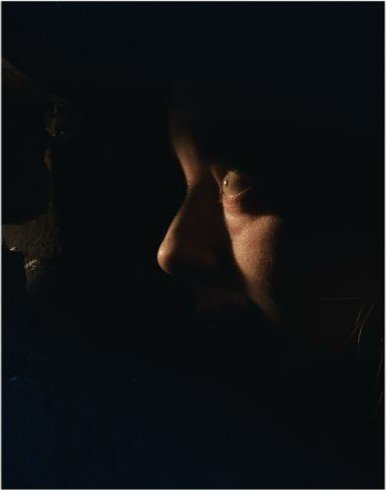
Maddy has blocked the daylight from entering her house. Darkness in Don’t See Me isn’t simply an aesthetic choice — it’s something the character has created because being seen feels dangerous. Exterior light stays present, but often just out of reach.
Two Attics, Two Temperatures
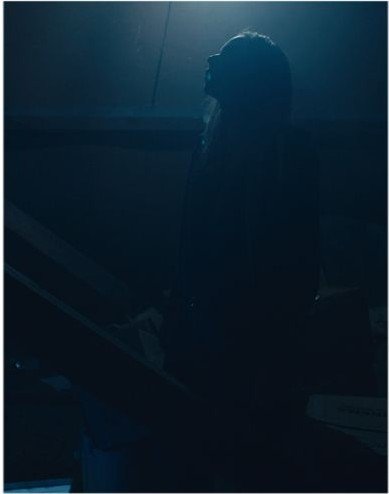
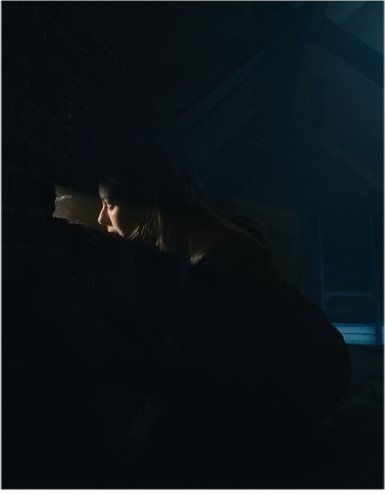
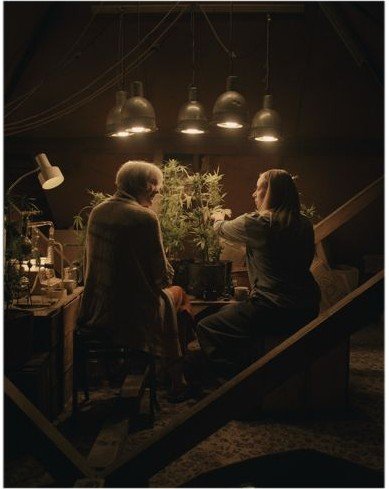
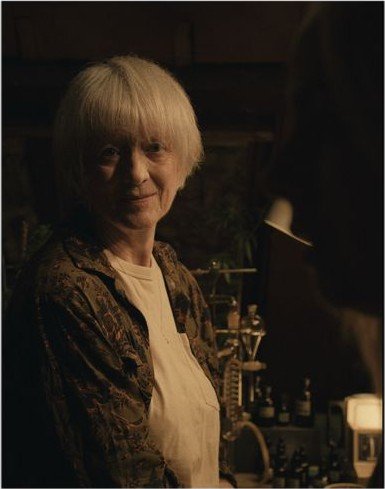
Maddy’s world is deliberately cold and isolated. Dorothy’s attic, by contrast, is warmer, denser and more alive — built around old industrial pendant lights sourced from a pier and the plants growing beneath them, a space that finds whatever light is available and grows toward it.
One Psychological State, Three Departments
Production designer Marina Terranova worked closely with Jacomelli and Butler to keep every texture, prop and colour choice in service of the same idea — direction, design and cinematography working as one, rather than as separate layers of style. The film was photographed on the RED Gemini with Leica Summicron-R lenses.