Author: beast

rtert
From The Blog

Influencer Marketing


No Comments

As a video production company we have noticed that more and more brands are seeking influencer marketing as a tool for endorsing a product. An influencer’s opinion will affect the decisions that others make. Be that whether to try a new product or whether or not to trust a brand. Lots of brands are moving towards having influencers, and the number of influencers is only increasing. With more and more time spent on social media, it’s inevitable that this is where we will start seeking advice and opinion. What is influencer marketing? Influencer marketing is working with respected influentials with devoted, engaged followers, to connect those followers with your brand. This can result in dramatically increased engagement with your brand story and products/services. If an influencer trusts a brand and a follower trusts an influencer, it’s easier for the follower to trust the brand. You can think about it in terms of word of mouth marketing. If I am knowledgeable on a product and my friends and family trust my opinion, it will be easier for them to trust your brand and they will be more likely to buy your products. Influencer marketing may not be so much about coercion and persuasion, but more about information and advocacy. It’s worth remembering that influencer marketing may not always be 100% positive. In a bid to make sure they are giving a truthful review on a product, negatives may be included. But the influencers personal opinion is what makes the difference here – because who reviews products and can never a find a bad to say about them or a criticism? Someone who is paid to only speak the positives, that’s who. Influencer vs celebrity Influencers aren’t always celebrities. In fact, it can work better if they are not. People have got wise to celebrity endorsements for products, and they realise that this is a paid for service. People trust influencers opinions on things. They trust that they are being truthful and that they have done the research required to come to a conclusion on a product. They trust that they aren’t just saying they like something for the money. Influencers also have more two-way communication with their followers in comparison to celebrities. Influencers will respond to comments left by followers and make deeper connections with them. Celebrities don’t have the same level of connection with followers as an influencer does. There is no way that an A list celeb could reply to all the comments left and answer all the questions posed. It simply isn’t possible. Celebrities often endorse more than one brand, which can lead to them having less of an impact on your potential customers. Seeing that a celebrity is endorsing 6 brands could cause them to lose credit. A celebrity can also overshadow a brand, with people paying more attention to the person advertising the product, rather than the product itself. For example, do you remember David Beckham or the underpants he was advertising? Do you remember Kate Moss or the perfume she was promoting? Getting a celebrity to endorse your product is a great way of getting your product out there and well known, but it doesn’t necessarily mean that people are going to trust your brand or product as a result. If we consider this in the terms of reach/engagement, celebrities are your ‘reach’ and influencers are your ‘engagement’. Influencers are more specific and celebrities are more general. So here is how a guy in his bedroom in his white socks and slippers can help you choose the right tripod – What do you want from your influencer? Do you want someone with a huge amount of knowledge on your brand or your products? Do you want someone who is a trendsetter? Are you after someone who writes in a particular way or someone who has a certain ‘voice’? Are you looking for someone with a certain type of follower/audience? Are you searching for a certain personality type? Clearly there many things to consider when you are looking for an influencer. Thinking about how well they fit with your brand is very important. For example, if you got Harry Styles to endorse your financial services company, you probably aren’t going to get much interest from his followers when he shares your brand story video. This is because his followers aren’t interested in the service you are providing. Yeah, he has a huge reach and loads of people are going to see his endorsement, but they aren’t going to do anything about it, because you are reaching out to the wrong people. You will want someone that is invested in your brand and brand story. If they don’t believe in you and your ideals, why are they going to want to market your product? Influencers can be discerning when it comes to accepting an offer to market a brand. They want to make sure your ideals fit with their ideals. You want them to be invested in your brand, so make sure you are a good fit. Where do you find your influencer? Social media monitoring: look at social media and find influencers that are talking about your brand already, or who are talking about things similar to your brand. If someone is talking about what your brand does, but not specifically mentioning your brand, this may be someone you want to engage with. Identify hashtags: looking at the hashtags your influencers are using can help you locate potentials. By listening in to the conversations surrounding these hashtags, you will identify those who are already talking about your brand. Blogger outreach: most influencers have a blog. Most bloggers are connected to other social media and have followers that religiously read what they have to say. Target bloggers who are already writing about your brand, look at blogs in your genres and blogs on related topics. Now you have narrowed down what you are looking for from an influencer, the pot of possibilities has diminished. Hopefully you will be well


Read More

From The Blog

Communicating your brand beliefs


No Comments

When you are creating video content to help in communicating your brand beliefs, you need to sell the idea rather than the brand or the product. It needs to be a belief video as well as a brand video. This sounds crazy right? If you don’t tell people how amazing your brand is and how great your product is in comparison to everyone else, how will they know they want to buy it? Well, NEWSFLASH – they already know they want it; you need to tell them why they need it. Let’s take Apple and Samsung as our examples. They are both equally qualified to make phones, they create a similar product, they have the same resources, and they have the same access to the market, they have the same access to digital content agencies and creative video agency. So why do people buy phones from Apple rather than from Samsung? The answer is simple really; Apple sells their idea, Samsung sells their product. People have already bought into the idea of an amazing new phone with all the latest features, so why are you selling something that has already been sold? Apple does something different in the way they communicate, and no one else does it. The Golden Circle Ted Talks explains what they do on an amazing video you can see here; they call it ‘The Golden Circle’. The golden circle explains how Apple communicates in comparison to others. Apple communicates from the inside of the circle to the outside of the circle. They start with ‘why’ they do what they are doing and finish with ‘what’ they are doing to achieve that. Other companies such as Samsung will start with what they are doing, then how they are doing it, but never really tell you why they are doing it. As a result you don’t connect with that brand, you don’t engage with their brand story and you don’t feel a strong desire to go out and buy their products. This sounds like it’s a simple thing to do and an easy change to make, but it isn’t always. This is because figuring out why you are doing something can be really hard. The ‘why’ are the beliefs, the ideals and the visions of your company and if you can define this then you will engage your audience on a totally new level. Everyone knows what they do, and that’s the easiest thing to tell other people, but what makes the difference is humanizing the brand by communicating your brand beliefs. The difference So here is the difference you might see in their adverts: Apple may tell you: they want to change the world > by changing the face of technology through innovation > and they will do this with their new phone with all of these features Samsung may tell you: with their new phone with all these features > they are going to change the face of technology through innovation. They are missing the bit that makes you believe them. They are missing the bit that inspires action. Telling people what you believe in, inspires those that believe in the same goals to buy your product. As a video production company we see hundreds of scripts every week and they can usually be divided into these two categories mentioned above. But what is amazing is that more and more brands are seeing that the ideas that are belief driven offer the most tangible foundation for engaging video content. The ‘what’ is always going to be clearer than the ‘why’. It’s easier for a company to tell you the ‘what’ because it is clearer to them; the ‘why’ is much harder to define. People buy in to why you do something, not what you do. This is why people are comfortable buying Apple products. They trust that their beliefs and goals are aligned. The goal is to do business with people who believe what you believe; this is what inspires brand loyalty. Brand loyalty is when people will buy your products because you are who you are, not because your products are better than anyone else’s. Look at what inspired the creation of you brand and your company in the first place. Maybe you need to realign your business with the original goals and beliefs of the company. Everything you are doing should go some way to achieving this goal and should be directly linked with your beliefs and ideals. When this line gets blurred internally, it is blurred externally, making it harder for your customers to fit their ideals with yours. The brains behind the operation You need to prompt action to be taken in a different way than simply telling people to buy your product; this is your ‘engagement’. To prompt an action your audience needs to feel an emotional connection with your brand. You want people to need your product, no just want it. Apple prompts an emotional connection that few other brands do. The golden circle diagram also represents different parts of your brain and how they work. The ‘what’ is your neocortex. This is the part of the brain which controls rational and analytical thought and language. The ‘how’ and the ‘why’ is your limbic brain. This is the part of the brain which controls trust and loyalty, human behaviour and decision making Samsung appeal to your neocortex and Apple appeal to your limbic brain. When we talk from the outside in, we are talking to the rational parts of our brains first and then trying to engage our feelings afterwards. But if we talk from the inside out, we engage our feelings and behaviours first and rationalise them afterwards. If you engage the part of the brain that makes decisions first, you will be much more successful. So what? If you can get in touch with why your company is doing what it is doing, you can inspire brand loyalty and brand love. Without telling people what your beliefs and ideals are as a

Read More

From The Blog

Cosmetic Content : How Beauty Brands Are Using Video Content


No Comments

Cosmetic Content – Online video content in the beauty industry is flourishing. The number of influencers and vloggers is overwhelming and their videos and online content is getting more and more views. Their fan bases are massive and are growing by the day. You only have to look at an influencer like Zoella, to see how popular this content is. Zoella has an astounding 11 million followers on Instagram and over 11 million subscribers to her YouTube channel. If you want a beauty product to take off – Zoella is the girl to kick start it. “How to videos” and tutorials are increasingly popular, with more and more women and men turning to this video content for advice and tips on their day to day routines. You don’t just buy a new eyeshadow palette anymore; you watch a “How to video” to see how it is used and how it fares. This can be a blessing and a curse for beauty brands trying to release new products. If a top influencer doesn’t like your new lipstick, everyone is going to hear about it. So How Are Beauty Brands Using Video Content Many brands and retailers have started creating their own online content. And as such many of these brands are commissioning video production companies to create really well conceived videos that set out a format and follow all of the brand guidelines. Using a London video production company is the best way to give the right framework to any video content campaign so that goes for beauty brands and how to videos too. Top cosmetic brands are creating digital content to engage with their customers. Brands like MAC Cosmetics are creating their own “How to videos” to up their audience engagement and promote their products. They have a range of video content from lipstick tips and tricks, to tutorials on full-face makeup. But, when you look at the statistics influencers are still running the game. The Influencer Online Network says that 86% of the beauty videos online which are the most viewed, are made by influencers. This is in comparison to 14% by the top beauty brands. This has pushed many cosmetic and beauty brands to partner with influencers. Influencers have an impact on a more relatable level for viewers. Their videos can often feel more personal and less forced than a video made by a beauty brand and this is why beauty brands are using video content. This all comes down to the motivation behind the digital content production, we think. Beauty brands have the overarching goal of selling more of their products as a result of the video they have produced. Whether this is a hints and tips video, or a tutorial on how to use one of the products, the goal is always going to be to increase sales. When it comes to a market influencer, this often isn’t the case. Influencers tend to be motivated to provide unbiased opinions on products when they use and review them. Whether they are positive or negative reviews, the point is that they are truthful. A beauty brand is never going to create video content in which they say their new lipstick isn’t great for long lasting wear, or that the colour pigmentation isn’t up to scratch. This is why influencers are so influential – even if they have been given a product to try by the brand, they have no obligation to give it a 100 percent positive review. In fact, if the product wasn’t good and they gave it rave reviews, they would soon lose their credibility when people tried out the product form themselves. Getting a good review from an influencer is naturally going to generate more business. Beauty brands see increases in sales after working directly with an influencer, to promote one of their products. Social Media channels Beauty brands are now using social media to release new product information and launch new ranges. Twitter, Snapchat, YouTube and Instagram are being used more and more to tell us about new products. The level of engagement using these methods is astounding and they reach a huge number of people. Using social media platforms is a great way to build up to the release or launch of a new product and are often used to excite audiences about a new product coming soon. Instagram is being used more and more to showcase products using video. Beauty Instagram accounts are full of quick 60 second videos where we are shown how to create a flawless makeup look. The number of videos we are watching on Instagram is increasing and it is being used more and more widely by beauty brands. Facebook has been stepping into the video arena in a big way. With the advent of their 360 video, video content on Facebook is only increasing. Beauty brands are using video content in their Facebook communities to connect with their audience. According to Pixability, Olay are leading this march with 212 million views across their videos on Facebook. Facebook live videos, Snapchat and Instagram stories have allowed a more “natural” element to content. These platforms give users the chance for video content production to take place there and then in a natural and organic manner. Many influencers in the cosmetics and beauty industry use these platforms to show snippets of their lives. These often contain a particular product they are using at the moment or it might show them unboxing a new product. They are also often used to show audiences a tip “mid-routine”. Storytelling and brand story Storytelling is becoming more and more important in the world of video content production. Your audience wants to see the journey someone goes through with the product and they want to see relevant material. People like to see what a brand is passionate about and what they believe is important. Content like this, gives digital content more credibility. Being able to relate to a brand makes it easier for people to purchase products

Read More

From The Blog

Video Brief Template Free Download | Beast Production


No Comments

Get our Video Brief Template Free Download and Video Production Brief Sample A video brief template is a communication device, which helps to set out the framework for a project’s requirements, expectations, goals, and budget. It is crucial as a first step in making sure that all parties are in agreement before looking to a third party supplier such as a UK video production company or video agency UK to help bring to fruition a corporate marketing video. A video brief template is an important communication tool that is used by any client, no matter the size, when wanting to collaborate with a London video production company. Just click the above link for the free download video brief template. This is a really easy to use tool which provides a plan for a corporate video production. The video brief is also an important reference tool that can be used at every stage of the project in order to produce exactly what is intended. The main consequences of not using a video brief template are; Wasted time and resourses. Missunderstandings between clients and supplier. a project that changes direction. loss of confidence in the overall project purpose. All of this can almost certainly be prevented by implementing a video brief template free download. A video brief is the best way of communicating your brand needs which a professional video production company UK will be able to interpret into creative solutions. Therefore you are really laying out the plan for a creative brief. If a creative video brief is to be truly useful, it must be the first step in the process and crucial for a video production company to start work. A creative video brief is great because it gives a succinct and comprehensive overview of all the necceasry points that need to be considered. So how to write a creative brief for your next video project? And what’s in a creative brief for your next video project? Here are the main topics and a short explanation for each section. “Video production brief sample” Project Name Whilst you may think that naming your project is not essential this simple task can give you a clue as to how clear you are about the goals and objectives of your creative video brief. For example in my experience as a TV commercials director I have seen 100’s of scripts titled ‘Kitchen’, ‘Living Room’ or ‘Park’. Whilst a title like this tells you where the story is set there is nothing to indicate the emotive purpose of the story. And the most important thing about any story or any video communication is how it makes you feel. Recently when we made a series of Luxury travel videos for The Cayman Islands we received the scripts and video brief from creative agency, Mr H. The titles were “Moments” and “Barefoot”. So immediately and just from one word we new what the project was all about, what the creative themes would be and what they ultimately wanted their audience to feel. Purpose of the video Remember that by creating your Video production brief sample you should be able to clearly identify the main purpose of your video through every segment of this breakdown. Do you want to make a video that explains in detail what you product is and does? If so this is a Hub video, and whilst we can find clever and cinematic ways to make a video like this seductive as well as interesting a project like this would be aiming mainly at an audience that is already aware of your product or service and wants to know more. A hero video on the other hand is something that creates a mood or feel and ultimately projects a lifestyle choice. This kind of video you would typically feature on your website in order to draw people in. But in order to get traffic to your website you would usually have paid for media space allocated across platforms like facebook and youtube. Here you would post the main video as well as cut downs commonly known as buzz or sizzler videos which act as hooks to incise viewers to find out more. What are the key messages? The fewer messages you have the more targeted and effective your video will be. Again using our campaign for The Cayman Islands as a case study, the key message there was ‘luxury’. So this meant that every creative choice we made as filmmakers along the way from, casting, to styling, to locations, to filming style and colour grading, had to scream out ‘LUXURY’. Reaction: What do we want the viewer to think, feel and do? This is a very important 3-part question. If you want them to think something then it’s a great idea to ask a question. And a question can be a great way of opening your video and creating a hook within the first 5 seconds that helps to maintain attention. If you want to make them feel something that you need to have plenty of emotional triggers including in your script and shot design. You need to have a ‘call to action’. Do you want them to visit your website? Do you want them to buy an impulse product? Do you want them to tell other people about what they’ve seen? Key considerations Here you can include any brand guidelines. These are important to know for your production team because in video production you have an ongoing set of choices to make and there is always wastage along the way. But the guidelines help to reduce that wastage and save time to. Any existing pictures or footage to be included This is something that needs to be shared early on so that the resolution and quality of the images can be ascertained. Have you seen any references that you like? Usually we are not in the business of re-inventing the wheel. We are in the business of making the wheel look bigger, better and faster. As such sharing

Read More

From The Blog

How to get work visa for UK production in the USA


No Comments

work visa for UK production in the USA – Is US immigration crack down making it harder for UK nationals to apply for visas in production industry? President Trump is clamping down on immigration. Trump’s clamp down on immigration doesn’t just affect illegal immigrants, it affects foreign workers too. UK Nationals in the production industry looking to work in Hollywood, are going to have a mountain to climb (or a wall to scale), to make it to the US. One of the president’s bills proposes to slash immigration in half, so how is anyone going to travel to the US for work? We at Beast video production company London have had a look at exactly what this means for those looking for a temporary work visa for the US. Nipping over to Hollywood to star in a breakthrough role might not be as easy as it was last year. Obtaining a visa to work in the production industry in the US Just like he said, the Trump administration is starting to impose restrictions on foreign worker visas. There’s a load of policy changes that are under consideration, affecting how easy it is to obtain a worker visa in the US. These new policies are supposed to prioritise American workers over foreign workers, be it jobs, wage or well-being.                    “I” classification visa If you are to be working in the production industry in the US as a writer for example, you will need to obtain an “I” classification visa. These visas will be granted if the material being filmed will be used to distribute information or news. The term “media” includes members of the press, film or radio who are essential to the function. Someone “essential to the function” could be film crew, actors, editors, producers and directors. You will need to prove that your film or video production is going to be informative in nature. So, if Beast were to send out a video content production team to create some digital content in the US, we would need to be able to prove that it was going to be informative.                   “O” classification visa There is a different type of visa you can obtain if you are in the entertainment industry. These are O-1 and O-2 visas. An O-1 visa is for those who have an “extraordinary ability”, so, those who have achieved extraordinary things in TV or film. These will be people like your film and TV stars who have hit the big time in the entertainment industry. An O-2 visa is for those accompanying a member of the industry to specifically assist them. To qualify for this, you would need be integral to the performance or the production. In other words, if they can’t do it without you, you will qualify.                  “P” classification visa These visas are for artists and entertainers (individuals or groups), who are going to perform, teach or coach in the US. These visas tend to rely on you providing something culturally unique or for a specific event only. This might be more relevant if you are an actor and you haven’t quire reached Judi Dench “national treasure” status yet. You’ll probably need a bit of help figuring out which category you fall into when applying for a visa. So, it’s best to get some advice before you get disheartened over failed visa applications. If you are working for an agent, they can apply for most of these on your behalf, which cuts down on the paperwork for you.   What does this mean for those who want to work in the film industry in the US Fortunately, most of Trump’s immigration cuts seem to be aimed at those looking for permanent status in the US. This will mainly be problematic for those looking to achieve coveted “Green Card status”. If you are looking to work in the production industry in the US, you will not need a Green Card as the work you will doing will not be permanent. It will either be on a temporary basis for a specific employer, or for a particular project with an end date. Trump’s implementation of stricter rules and more in depth vetting of visa applicants will probably come into play. It doesn’t mean that you won’t get a visa, but it does mean that the process will be slowed. It may take longer for your visa application to be processed as visa applicants are being heavily scrutinised. Advice from Beast London What is our advice at Beast video production company UK? Make sure you leave plenty of time. Don’t leave your visa application until the last minute, only for it to be declined and leave you sitting in an embassy for hours on end pleading your case. The US film and production industry isn’t going to thank you when they need their director and you are holed up somewhere, filling in yet another form. Get a US partner to help you fulfil many of the key roles and overcome a lot of paperwork by only bringing in key personnel. Take advice from someone who knows what they are talking about, not that we don’t know what we are talking about, but we are certainly no experts on visa applications although we do have a US office. Our US office allows us to work remotely with our crew already in the US and also have many of the secondary rolls like locations manager buttoned down. Speak to someone who knows all the ins and outs of applying for US visas; there is no shame in asking for help on this. Do your research and figure out all the documentation you need when applying for your visa and to make your visa application successful. Not adhering to the guidelines is only going to delay the process, so providing information and proof will help the process along. We know there are a lot of hoops to jump through, but it

Read More

From The Blog

What You Need to Know When Hiring a PR Agency


No Comments

PR Agency – At Beast video production UK we have noticed that lots of clients are asking their PR agencies for video. And as a production company UK we are always keen to make new connections and start new relationships. Working with PR agencies is great for a creative video production company like Beast because we get to help with the creative development, which is something we always love to do. It always makes sense to share ideas early so that whatever the campaign is, it will fit with the budget that the client has awarded. That’s why at Beast video production UK when brands come direct to us we always try to understand how we can best help them. We are a video production company after all. We cannot offer all of the services that you would get from a creative agency or PR agency in terms of on going support. So whilst we can help with one off campaigns or small on going content campaigns. It’s always important for a brand to know at what stage their business is at and what service and which service provider best suits their needs. Should I be hiring a PR agency? Do I need a PR agency? What does a PR agency do? These are all great questions when you are thinking about hiring a PR agency. When I think of PR, the first thing that springs to mind is Jennifer Saunders’s character “Eddie” in Absolutely Fabulous. Dramatically flitting about from one party to the next, never really achieving anything and making a fool of herself on a regular basis, accompanied by a drugged and drunk friend (cue Patsy). So, let’s get started shall we sweetie? Darling? What does a PR agency do? Saffie: I’m sorry, mum, but I’ve never seen what it is that you actually do. Eddie: PR. Saffie: Yes, but… Eddie: PR. I PR things. People. Places. Concepts… People hire PR agencies if they want to protect, enhance or build reputation through the media. A good PR agency will want to know whether you want to change people’s perceptions about your company, whether you want to tell potential customers about new products or demonstrate that you are worth your salt. In its simplest form, PR is about building rapport with those who are important. That is also true of the relation ship between the PR company and it’s suppliers. At Beast video production UK we know the importance of an ongoing relationship and that a meaningful relationship is built upon trust. Trust can only be earned by providing consistently excellent work on budget, on brief and on time. They will want to develop a plan with you, and from this, they will start using their PR wizardry to get the ball rolling. Media is the big one and your agency would work with you to create content that sends out the right message. Be that blog posts, a brand story video or working with you on your video production. And like it or not, no matter how great our video production company UK  is, and how amazing our digital content is, your PR agency will still be telling you to engage with your audience face to face. If you are more in the vein of website video production, this might not be your comfort zone, but that’s why you have an agency to help you. How do I know if I need a PR agency? Answer these questions. If you say yes to most of them, then it might be time for you to engage with a PR agency. Do you have proof that you are better than your competition? Do you have proof that you are different from your competition? Do you know who you are trying to engage with? Do you have the money to hire a PR agency? Do you have the time to work with a PR agency? Can you offer up spokespeople that can talk to the media? Can you see how a PR agency would benefit you? How do I choose my agency?                   Eddie: [shouting] I DON’T WANT MORE CHOICE, I JUST WANT NICER THINGS!! You want to find a PR agency that suits you. You need them to “get” your company, your product and your concept. If they don’t believe in your success, then they aren’t going to engage with the media successfully for you. If you were hiring a wedding planner, would you hire the first person you saw to do the job? I don’t think so. So, don’t hire the first PR agency you speak with. Talk to a few, meet with them and get a feel for the agency that is going to best represent you. Think about the kind of business you are. Are you a tech start-up? Are you fully fledged business in your area but need more attention paid to your digital content? Are you a company with good market share and online presence and need support with keeping this going? Whichever category you fall into, make sure you are selecting a PR agency with experience in this area. The cheapest option might not always be the best option in this case. You might have to pay a bit more for the kind of experience you are looking for. How to measure the success of my PR agency                   Eddie: What do you think of the kitchen, Pats?                   Patsy: I think it’s fabulous.                   Saffie: It isn’t done yet.                   Eddie: No, sweetie. Maybe she’s right. Maybe this IS fabulous. You need to know whether the money you are spending on your PR agency is worthwhile, and whether all the work you are putting in is making a difference. You need to be sure that you are getting what you want out of the process. You need to talk about success and how success looks to you. At what point will you feel like it’s been a successful campaign? Remember, not everyone manages to make it to front

Read More

From The Blog

Maximising Social Media Engagement using Video


No Comments

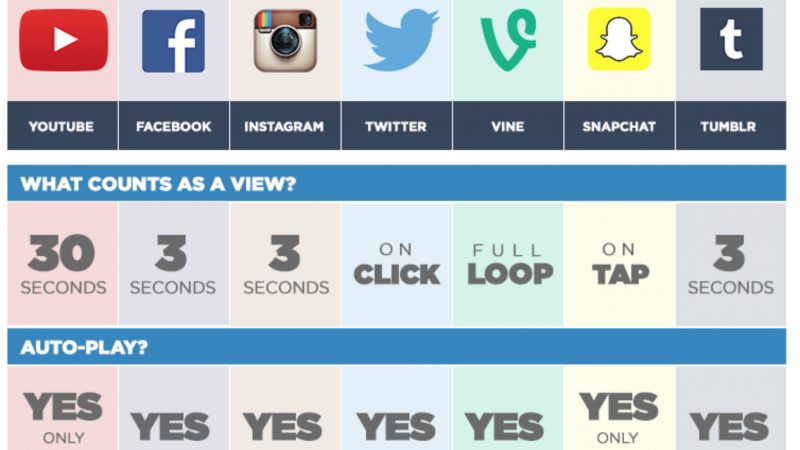
What are the best ways of maximising Social Media Engagement using Video? When thinking about maximising social media engagement using digital content, there are a tonne of things you need to consider. The list could be endless, but I’m going to highlight some of the main considerations you should be making when using digital content as a marketing tool on your social media channels. There’s a great podcast from The Social Media Examiner Show on Spotify called “26 Ways to Use Video for Your Social Media Marketing”. It’s an 11 minute podcast which takes you quickly through ways to use video for social media marketing. It doesn’t go into great detail on each of the points, so it’s perfect for giving you a taste for the subject and get your mind turning over the information in the background. As a digital content production company we know that there is a big difference between video that is created for television and video that is marketed through social media channels. So let’s get started shall we? Know your audience I know this may sound really obvious, but you might be surprised how much content doesn’t drive at a particular audience. You need to know what your audience needs and wants to see from your digital content. You also need to know who your audience are and which social media channels they are engaging with. There’s no point in creating a 5 minute brand story video for Facebook when your audience are using Instagram. It’s also worth remembering that on different social media platforms, your audience and what they want to see might be different. Someone that’s 51 might not react in the same way to a funny cat video, as someone who is 21. Something that appeals to a male audience may not appeal to a female audience. You need to make sure you are giving people what they want in a relevant and engaging way. It’s imperative that you know who you are targeting and why, because months of hard work with a video production agency creating great content that results in no engagement because it didn’t appeal to your audience, would be a complete flop. Ask yourself the following questions: Who are my audience? What do they want to see? How do they want to see it? Be inclusive When creating digital content video for social media engagement, you want to appeal to everyone, make sure its inclusive. But what does “inclusive” mean? Being inclusive means you aren’t excluding anyone and you are allowing everyone an opportunity to engage with your content. A really good example of a video being “exclusive”, is a video where you have to have the sound playing to make sense of the content. Often people aren’t in a position where they can have the sound up on a video. They might be in a meeting, on the bus or in a social environment where it isn’t appropriate to have music blaring from your phone. You need to make your video content engaging both with and without sound. This could be by including subtitles in your video so you can read along with it, or including exciting visuals and text which put across the main points. Making sure you don’t alienate your audience with your video content is important. Often, I see videos where a lot of knowledge has been assumed; the creator is expecting the viewer to have the same level of expertise on a product as they do. Most of the time this isn’t the case and if you bombard a viewer with intricate details and terms they don’t understand, they will stop watching your video. If we make someone feel stupid, they stop engaging immediately. Don’t be afraid to pitch your content at the lowest level, those who are interested in the finer details will go and find that information. Don’t exclude the many to cater for the few. Equally, if you fill a video with content that is solely aimed at a male audience, you can’t expect a female audience to engage in the same way. If your content comes across as particularly masculine or feminine, you have immediately alienated half or your audience. These things can be easily overlooked and sometimes they are hard to recognise when it’s your project. Get someone that isn’t connected to your brand to watch your video and answer the following questions: Does my video engage you with and without sound? Do you understand the point I am making? Does my video appeal to you? Don’t waste their time Time is precious and valuable in this day and age. If you can make your point in 10 seconds rather than 1 minute, the social media world will thank you. When planning your digital content video for social media engagement, remember that you need to catch your viewer’s interest in 10 seconds or less, or they will move on. Lots of users won’t even watch a video if they see it is much longer than 1 minute long. A third of all time spent online is spent watching videos, so your audience will know a good video from a bad one and they will know immediately whether they are going to continue watching it. Remember there are different time limits for videos on different social media channels: YouTube – no limit Facebook – 2 hours Instagram – 60 seconds Twitter – 30 seconds Snapchat – 10 second clips Tumblr – 5 minutes Click here for Marketing Land’s neat guide to social video. This is a great visual showing time limits, whether the platform uses auto-play and what counts as a view. Difference between engagement and reach Engagement is about building a relationship. Engagement means loyalty, commitment, interaction and it can mean love. Reach is about ‘how many’, your stretch, your radius, your sphere of influence and how well you are getting your name out there. Reach vs engagement is how many people see your video vs how many people do something about

Read More

From The Blog

A look at Video Content so far in 2017


No Comments

Going without video content and a professional video content company is no longer an option. Matt Gahan, Beast Director at work in The Cayman Islands for CaymanLuxe 2017 is the year when video content went from a “nice indulgence” to a “must have marketing tool”. Video has become a huge part of people’s lives already, and it is only going to become more important to consumers as the year progresses and time moves on. It is rare that we go through a day without watching some form of video content; be it on social media platforms or on TV. Video is dominant today, but it is critical tomorrow The power of video marketing is incredible and it will soon be an indispensable resource – in other words, you won’t be able progress your business without the use of video. You won’t be able to tell your brand story without it. You won’t be able to launch a product without it. You won’t be considered a legitimate business, without it. To prove my point, I’m going to go through some statistics and facts with you, just in case you can’t take my word for it. Increased viewing of video content I can’t remember the last time I scrolled through Instagram or Facebook without stopping to watch some form of video content, can you? Social media used to be full of photos of people’s cats, now it is full of videos of people’s cats, and there is the difference. The ways we use social media and our methods of communication on it have changed completely. When Instagram first arrived on the scene it was purely for photo sharing, there was no option to upload digital content in the form of video. In 2013 you could share 15 second videos, in 2015 you could share widescreen content, and in 2016 the time limit was upped to 60 seconds. Now, you can share multi-video posts, allowing you to share up to 10 minutes of video content at a time. YouTube are telling us that viewers around the world are now watching 1 billion hours of content daily (you can read their blog about it here). YouTube decided to measure in hours watched, rather than number of views as it was more relevant. If you think about how little time we all say we have in this day and age, it goes to show how important video is to us. More people watch video content than have smartphones in the UK according to IAB. Around 64% of people are smartphone users, but 65% of the population are watching digital content at least once a month. This means that viewing this kind of content is one of the most popular digital activities. CISCO has predicted that 82% of internet traffic is going to be video related by the year 2020; in 2016 it was 73%. They also predict that in 2021, a million minutes of video content will be crossing the network each second. Based on this, it would take more than 5 million years to watch all the video content crossing networks on a monthly basis – an absolutely staggering figure. A look back to video content in 2016 As you know, the viewing and creation of video content increased immensely last year and in 2016 we saw the rise of ‘live’ video content options. You are now able to stream live video to Facebook and Instagram; this increases engagement massively. Your audience gets a notification when you live-stream, enabling them to connect with your video right away. Live content is often seen as more natural and “off the cuff” and lots of viewers fins this more enjoyable to watch. The idea of storytelling links in particularly well with live videos and your audience likes to feel involved in your story. Branded videos were on the rise and we started moving away from using the internet to watch ‘fail’ videos, where we see people cycling into trees, and began watching more branded content. Branded content could be a promotional product video or something like a brand story video. Videos also began to feature more prominently on homepages of brands and lots of sites have been making videos their background. Companies became more aware of video content for different platforms and devices. Instead of creating a ‘one size fits all video’, brands and content agencies began to recognise the benefit of tailoring their digital content production to the platform it would be shown on. This gives a much better experience for the viewer. A look to the future of video content It will be interesting to watch the rise of VR. Virtual reality and 360⁰ video are on the verge of something completely revolutionary. With Samsung at the forefront of this technological feat, we suspect that this kind of content will soon become the norm. In the not too distant future you will be able to involve your far away friends and family in your wedding and it will be like they are right there with you. The scope for digital marketing agencies using VR is huge and the possibilities are essentially endless. Imagine if you could view a house without having to leave your home? Imagine if you could take a tour round a cruise ship before booking your holiday? There are some serious opportunities to be had here. Video content will be reaching audiences in their living rooms. As more and more TV is viewed using platforms such a Netflix, videos will be optimised for viewing here. B2B video will become really important as a tool for sales teams and creating video content to market products to buyers will be on everyone’s to do list. You market to your audience using video, so why not give this tool to your salesforce? Whatever happens, video content isn’t going anywhere and it is only going to get more prevalent. We will be watching more and more content online and there will be a huge volume of content

Read More

From The Blog

Content Strategy Free Download


No Comments

If you are looking to create great video content then you wall almost certainly be thinking about how to strategize your video content on social media channels. Click this content strategy free download link for our 52 page guide. Free Download Content Strategy What is content strategy? Distilled.net have defined content strategy as the following: ‘A content strategy is the high-level vision that guides future content development to deliver against a specific business objective.’ Your ‘high-level vision’ should overarch everything and all your content should relate to this vision. You will always have a ‘specific business objective’ and all your content should be helping you achieve this objective. If it isn’t, your content isn’t doing its job. If you don’t have a clear strategy to keep referring to, you’ll have a lack of direction, and a lack of direction can lead to generic content. Content like this doesn’t make the grade. It doesn’t get shared, it doesn’t get watched, it doesn’t engage. And if it does none of those things, it won’t be helping you achieve your business objective. Equally, if your video content agency can’t see your vision, how will anyone else? If you have time then read through our 52 page guide to content strategy. Just click the Content Strategy Free Download button in the section above. Research is key when developing a content strategy. Remember the 3 C’s: Company Customer Competitor Company: unearth the brand values and strengths of your company. What does your company stand for? Why are you in the business?  Customer: understand the needs and wants of your customers. How do they decide to buy? What matters to them?  Competitor: look at the brand values of your competitors. What are their selling points? How do they communicate it to their customers? Is it working?  Content atomisation Content atomisation is sharing your idea/concept/campaign across multiple marketing channels. This allows you to make the most of the different platforms and their users. Each channel has a different audience and they want to see different digital content. Atomisation works when you stick to your theme and your content is relevant. If the content isn’t relevant to them, your audience isn’t going to be interested. No audience is the same and atomisation allows you to reach your audience on different channels. Atomisation means you can capture everyone, be it using different social media channels, different media and different styles – the same style isn’t going to work on all platforms in all channels.   Social platforms Social media has to be part of your content strategy, there’s no way about it. Social media platforms need a whole post to themselves, there is THAT much I could say on the matter. With so many of us spending so much time scrolling through various social media channels, it is the place you need to make the impact most. Think about how your content will be different on different platforms. For instance, you need to remember that the time limits for video content on Twitter, Instagram and Facebook are completely different. Twitter is 30 seconds, Instagram is 1 minute and Facebook 45 minutes. So, on platforms like Twitter and Instagram, you need to get your point across pretty quickly or that brand story video will go to waste. Native uploads A ‘native upload’ means you are directly sharing content to a certain network. You aren’t providing a link to an external site and you aren’t asking your audience to leave the page. If I click on an article and it starts redirecting me to another page, I close it down. I don’t want to be redirected to someone’s page if they can’t be bothered to create content for more than one platform. Native uploads stop this from happening, directly sharing on a network means people will stay on that network. If they didn’t want to be reading an article on Facebook they wouldn’t be on Facebook. Use native content to reach more people in a more consequential way. Titles, descriptions and tags You can upgrade search results with the use of titles, headlines, descriptions, tags and hashtags. I could also witter on about this for hours, so I’ll keep it as brief as I can. The title should contain all keywords you are looking to ‘rank’ on. The most important one should be at the beginning, followed by the second most and finished with the name of your brand. Making sure you use the right keywords can have a huge effect on traffic to your site. A meta description is the paragraph of text placed in the HTML of a page describing its content. It is also known as a snippet. Just like a snippet of information, you want to keep it short and sweet. There is a character limit, so there is only so much you can fit in – so keep it relevant. The better this is the more likely someone will reward you with a click. When thinking about tagging you need to target your key fields. The most well known example of tagging is the hashtag. This enables content to be sorted by this particular tag (e.g. “#nofilter”), and allows users to locate content based on that tag alone. Think along these lines when you are tagging digital content, keep it easy, keep it simple and keep memorable.  Calls to action All your content should have a call to action. Otherwise how are you going to encourage your audience to do what you want them to do? You aren’t, is the short answer. If you watch a video on a new pair of trainers, and you get to the end of it and there’s nothing that tells you how to buy them, you aren’t going to buy them. Equally, if the call to action doesn’t stand out, you might miss it and move on. Calls to action need to be obvious and easy to recognise. When asking a user to complete a call of action they are taking a leap

Read More

From The Blog

Creating a brief


No Comments

Before you get started on your amazing content, you need to start by creating a brief. A video production brief is absolutely necessary and you shouldn’t try to develop your content without it. Trying to create incredible content is nigh on impossible without a production brief – without this how do we make sure we are all singing from the same song sheet and working to the same goal? This process is important whether you are creating your content internally or using a video production company . Creating a video production brief makes for a smoother process all round, and it’s easier for everyone when they are clear on what they are working towards. It’s also a great way to get everyone together and check nothing major has been missed. You’d be amazed how often you realise a glaring error you have made, or suddenly notice you have missed out a massive section of information when you all get together and talk about it. It’s always worth having the conversation no matter how many times you have been through the process, even if you are a video content production veteran. Briefs can be changed, they don’t have to stay the same, but they are an excellent starting point. So, here are a few things you need to consider to get you started on your video production brief. Why are you creating video content? Think about why you are creating this content. What is the goal you are looking to achieve? What is your desired outcome? Is there a particular issue you are trying to resolve with this video, or is it to generate new custom with video content? There is nothing wrong with being particular in this section of your brief. If you are particular and specific, this will mean you have something to measure your success by. Your video content company could produce content which you all agree is incredible, but did your video content achieve the goal? Spend time thinking about this, it is a massive part of your project and you will keep referring to this throughout. Everyone involved should be 100% clear on what you are trying to achieve, otherwise you will all be working to your own goals. Who is your video content audience? Who is this video aimed at? You need to get thinking about your video content target audience for this one. Once you know the kind of person that is going to be viewing your digital content (be they customers or employees for example) you need to look at their demographic. What does your ‘standard’ viewer look like to your organization? You need to be thinking about their likes and dislikes, what they want to see and what they want to feel.  And most important of all,  whoever you are talking to, you must be speaking their language. Equally you need to make sure you steer away from what you know they don’t want to see. It’s easy to focus on what you want them to see and forget about what they don’t want to see. It would also be a huge difference in approach if you are making a B2B video. When you are making a video for people that already informed and even signed up to your brand then you can use a far more specifically language and be looking for insider jokes and comments with a business to business video. What is your video content saying? What is the point you are trying to make? What are you trying to say to the people watching your video? Are you displaying your brand story? You need to make sure your point is completely clear to the viewer. There is no point creating epic content if no one knows what your video content is saying. Remember that we can only retain so much information, there is no point squashing a tonne of information into a video for no one to remember it. Also, if your videos are too crammed with information, people just won’t watch them. There needs ro be the right balance of entertainment to information. Where are you displaying your content? Where is this content going to be seen? Where are you displaying your video content? Is it only going to be seen on social media platforms? The answer to this question helps with determining the production of your video. Digital content that is going to be displayed on a huge screen will be completely different to content that is going to be displayed on the screen of a smart phone. If you are sharing this video on social media, you need to think of a way to direct your viewers to your site or to take the action you desire of them. If there is no call to action in your video content, how on earth will anyone know how to get to your site to take a further look at your product? Creating your content for Instagram when your viewers use Facebook won’t help you achieve your goals. This section will link directly with your “who?” section; you need to make sure you are sharing your video content in the right places and in the right ways. Video content core goal There will be certain things you have to have visible in your content. Be that certain colours or styling, or company logos and phrasing. Make sure you include your core content in your video production brief, as they are ‘musts’, not just ‘nice to have’s. There might be a certain ‘vibe’ or style you want to display in your video; this should be included in your production brief as well. This can often be quite hard to explain in the written word, so you can include any content that represents the vibe you are going for at this point. The Elephant in the room What is your budget? What is your deadline? I know this is the dull stuff, but money and time are static and you don’t have an

Read More